







What are the best indoor plants for beginners?
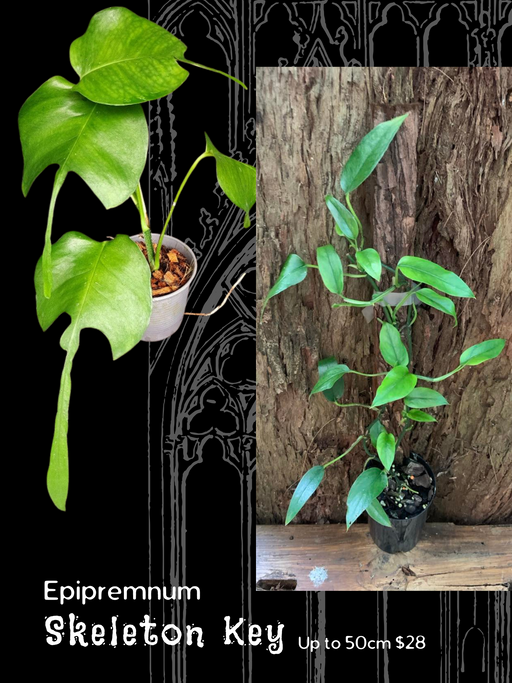
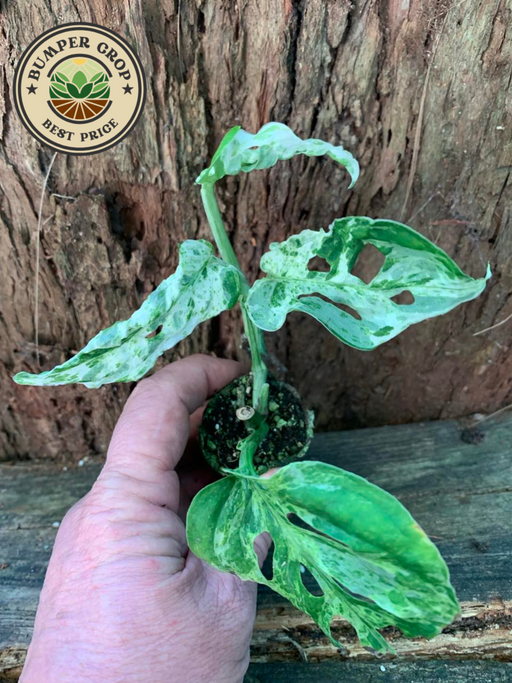
Look for plants that forgive the odd missed watering and cope with a range of light. Snake plants, pothos, ZZ plants, peace lilies and spider plants all fit the bill, and so do most easy-care philodendrons. Start with one or two, learn what your space offers and add more from there.
For more tips on keeping your new plant healthy and thriving, check out our newbie care info.
What is the easiest indoor plant to take care of?
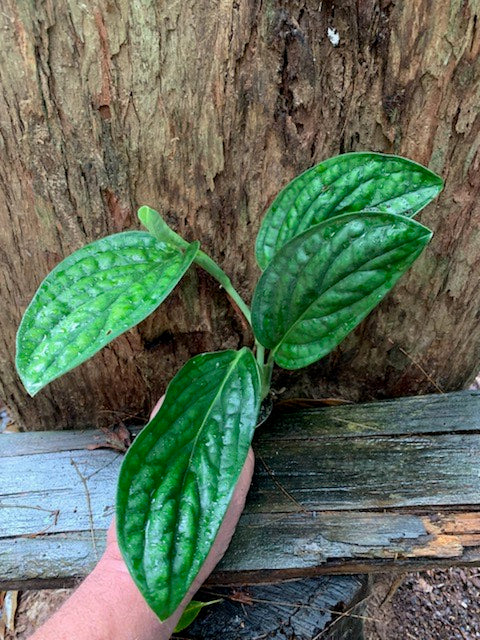
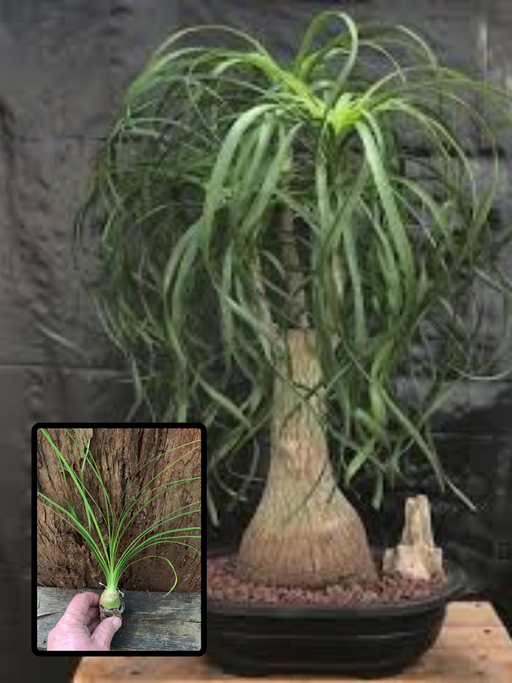
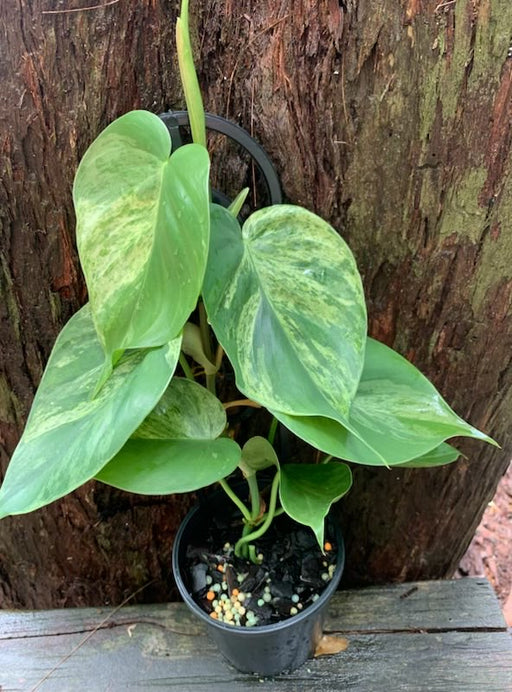
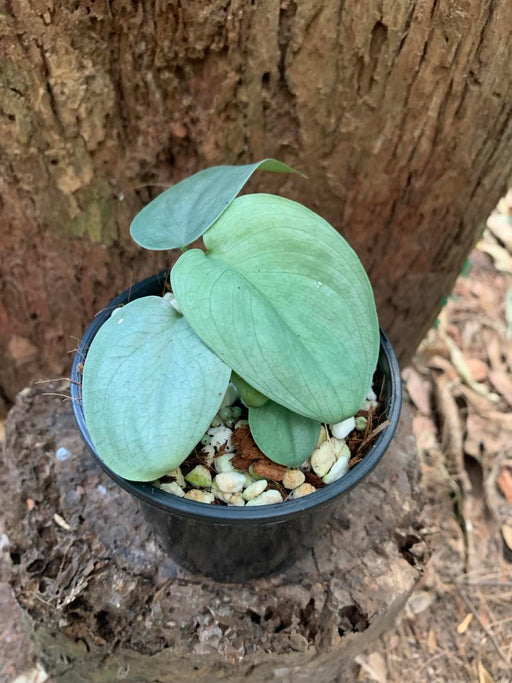
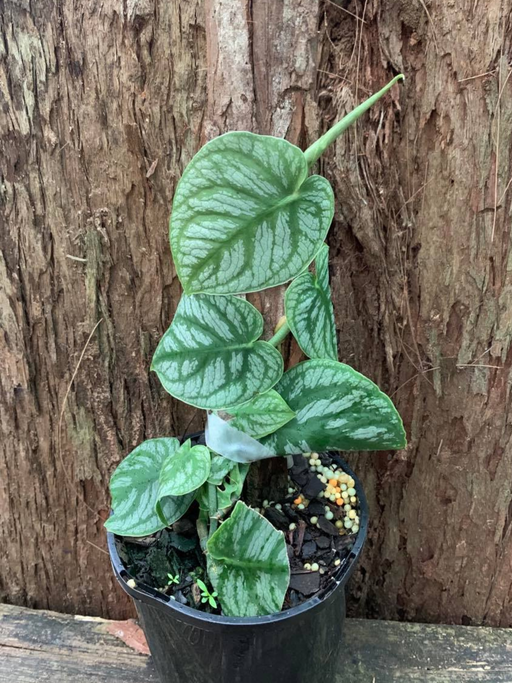
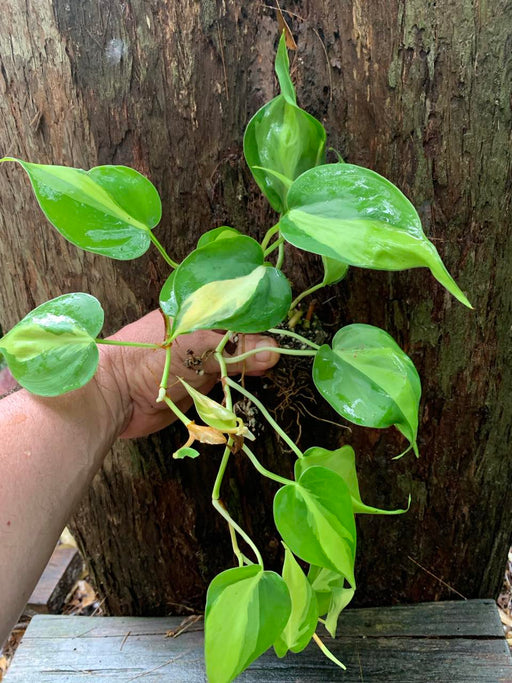
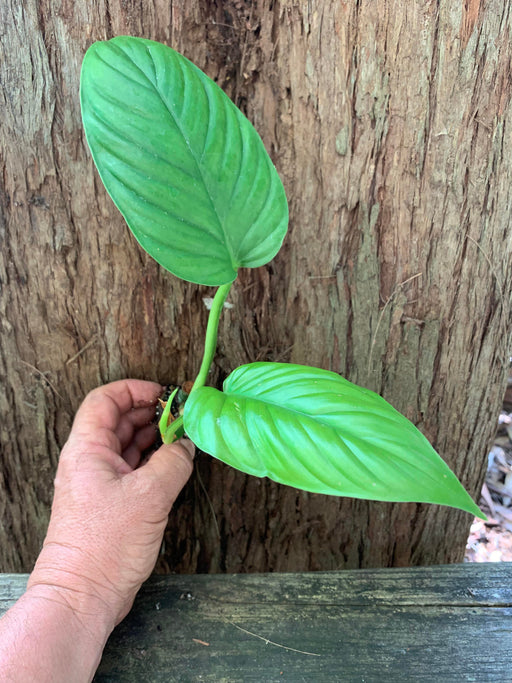
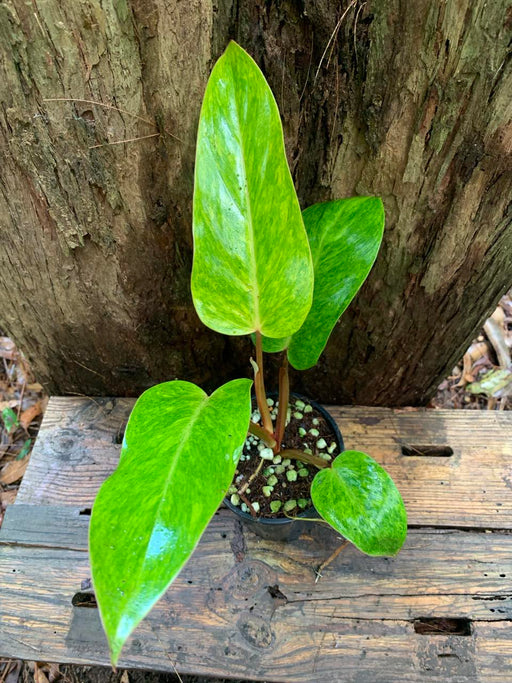
For an easy indoor plant to take care of, heart leaf philodendrons, including Brasil, are hard to beat. They adapt to a range of light, only need a drink once the top of the soil feels dry and keep growing steadily. The Monstera Karstenianum and the Ponytail Palm are also very forgiving, so they suit busy households.
What are the benefits of indoor plants in Australia?
Plants add colour, texture and life to a room, and many people find a bit of greenery makes a space feel calmer. They also release a little moisture into the air, and caring for them can become a relaxing daily habit. Even a single plant on a shelf can make a room feel more finished.
Which indoor plants in Brisbane cope with low light?
Snake plants, ZZ plants, pothos, peace lilies, Chinese evergreens and dracaenas are well known for coping with dimmer rooms. They still need some light to grow properly, so choose a spot with natural light rather than a dark corner.
How often should I water my indoor plants?
Check the soil rather than the calendar. Push a finger a few centimetres into the mix and water when it feels dry. Most plants need a drink about once a week, though succulents prefer less and ferns prefer more. Overwatering and underwatering can both cause damage, so a quick check each time is the safest habit.
What is the best soil for indoor plants?
Choose a light, free-draining potting mix that holds enough moisture without staying soggy. Adding perlite or coarse sand helps with drainage. Avoid garden soil, as it is heavy and can suffocate roots, leading to root rot.
How do I know if my indoor plant needs more or less sunlight?
Pale or yellowing leaves often mean too little light, while scorched or brown patches point to too much direct sun. Check what your plant prefers, then move it near a bright window with filtered light. If natural light is limited, a grow light can help.
What are common indoor plant problems and how do I fix them?
Overwatering, underwatering, pests and disease are the usual culprits. Spider mites, mealybugs and scales can damage plants if left alone, and powdery mildew or leaf spot can also appear. Spot the problem early, adjust your watering and remove affected leaves. For treatment options, browse the range of Grower Prescriptions.
How do I fertilise my indoor plants?
Feed once a month through spring and summer, then ease off in autumn and winter when growth slows. Follow the label, water the plant well before feeding and avoid over-fertilising, as too much can burn the roots.